Rising majestically above the plains of northern Tanzania, Mount Kilimanjaro is the highest mountain in Africa and the world’s tallest free-standing mountain, with its summit, Uhuru Peak, at 5,895 meters above sea level. While it attracts climbers and adventurers from across the globe, Kilimanjaro holds deep cultural, economic, and spiritual significance for the local communities who have lived in its shadow for generations. For the Chagga, Pare, and Maasai people, Kilimanjaro is not just a mountain but also a lifeline, a sacred presence, and a foundation of identity.
A Cultural and Spiritual Symbol
For centuries, Mount Kilimanjaro has been woven into the beliefs, myths, and traditions of local communities, particularly the Chagga people who inhabit the fertile slopes of the mountain. In traditional belief systems, the snow-capped summit was considered sacred, often associated with ancestral spirits and divine power. Elders spoke of the mountain as a dwelling place of gods, a source of protection, and a symbol of permanence and strength.
Rituals, oral stories, and proverbs referencing Kilimanjaro have been passed down through generations, reinforcing its role as a cultural anchor. Even today, many local people view the mountain with reverence, seeing it as a guardian that shapes both the physical and spiritual landscape of their lives.
Source of Life
Kilimanjaro plays a critical role in sustaining local livelihoods through its natural resources. The mountain’s forests act as vital water catchment areas, feeding rivers, streams, and underground springs that supply water to surrounding villages. This reliable water source supports agriculture, domestic use, and livestock, making life possible in an otherwise dry region.
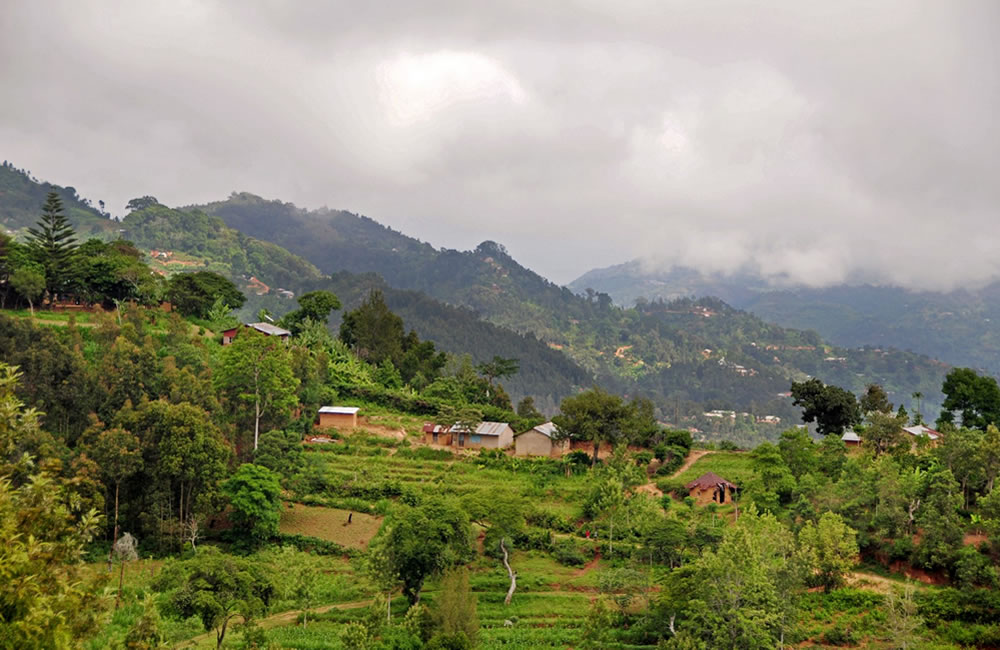
The fertile volcanic soils of Kilimanjaro’s lower slopes are ideal for farming. Local communities grow coffee, bananas, maize, beans, and a variety of fruits and vegetables using traditional irrigation systems known as mfongo. These systems, some of which are centuries old, reflect indigenous knowledge and sustainable land management practices. Agriculture around Kilimanjaro remains a cornerstone of food security and household income for thousands of families.
Economic Opportunities Through Tourism
Tourism linked to Mount Kilimanjaro has become one of the most significant sources of income for local communities. The mountain supports a wide network of jobs, including guides, porters, cooks, drivers, hotel staff, artisans, and tour operators.
Local entrepreneurs have also benefited by running guesthouses, cultural tours, handicraft markets, and coffee tours that offer visitors a chance to engage with community life. When responsibly managed, Kilimanjaro tourism contributes to poverty reduction, skills development, and improved living standards in nearby towns such as Moshi and Marangu.
Conservation and Community Stewardship
Local communities are closely connected to conservation efforts on and around Mount Kilimanjaro. As people who directly depend on the mountain’s forests and water systems, they have a strong interest in protecting its ecosystem. Community-based conservation initiatives encourage sustainable resource use, reforestation, and environmental education.
Many residents participate in tree-planting programs and collaborate with conservation organizations to combat deforestation and climate change. These efforts not only protect biodiversity but also ensure that future generations continue to benefit from the mountain’s resources.
Symbol of pride and achievement
Mount Kilimanjaro is a powerful source of identity and pride for local communities. Its global recognition has placed northern Tanzania on the world map, giving residents a sense of connection to something universally admired. The mountain features prominently in local art, music, branding, and storytelling, symbolizing resilience and ambition.
For many locals, seeing visitors from around the world come to experience Kilimanjaro reinforces the mountain’s importance and strengthens cultural exchange. It also motivates communities to preserve their heritage while adapting to a rapidly changing world.
Challenges and the path forward
Despite its many benefits, Kilimanjaro also presents challenges for local communities. Environmental degradation, unequal distribution of tourism income, population pressure, and climate change threaten both livelihoods and ecosystems. Melting glaciers and changing rainfall patterns are particularly concerning, as they affect water availability and agriculture.
Addressing these challenges requires inclusive tourism policies, fair labor practices, and stronger community involvement in decision-making. When local voices are prioritized, Kilimanjaro can continue to be a source of shared prosperity rather than conflict or loss.
Conclusion
Mount Kilimanjaro means far more to local communities than a dramatic skyline or a climbing destination. It is a sacred symbol, a provider of water and fertile land, a driver of economic opportunity, and a cornerstone of cultural identity. Understanding what Kilimanjaro means to the people who live closest to it adds depth to any visit and highlights the importance of responsible tourism that respects both nature and the communities that call this iconic mountain home.
Leave a Reply